
Herman Van Nazareth Retrospective
March 2020
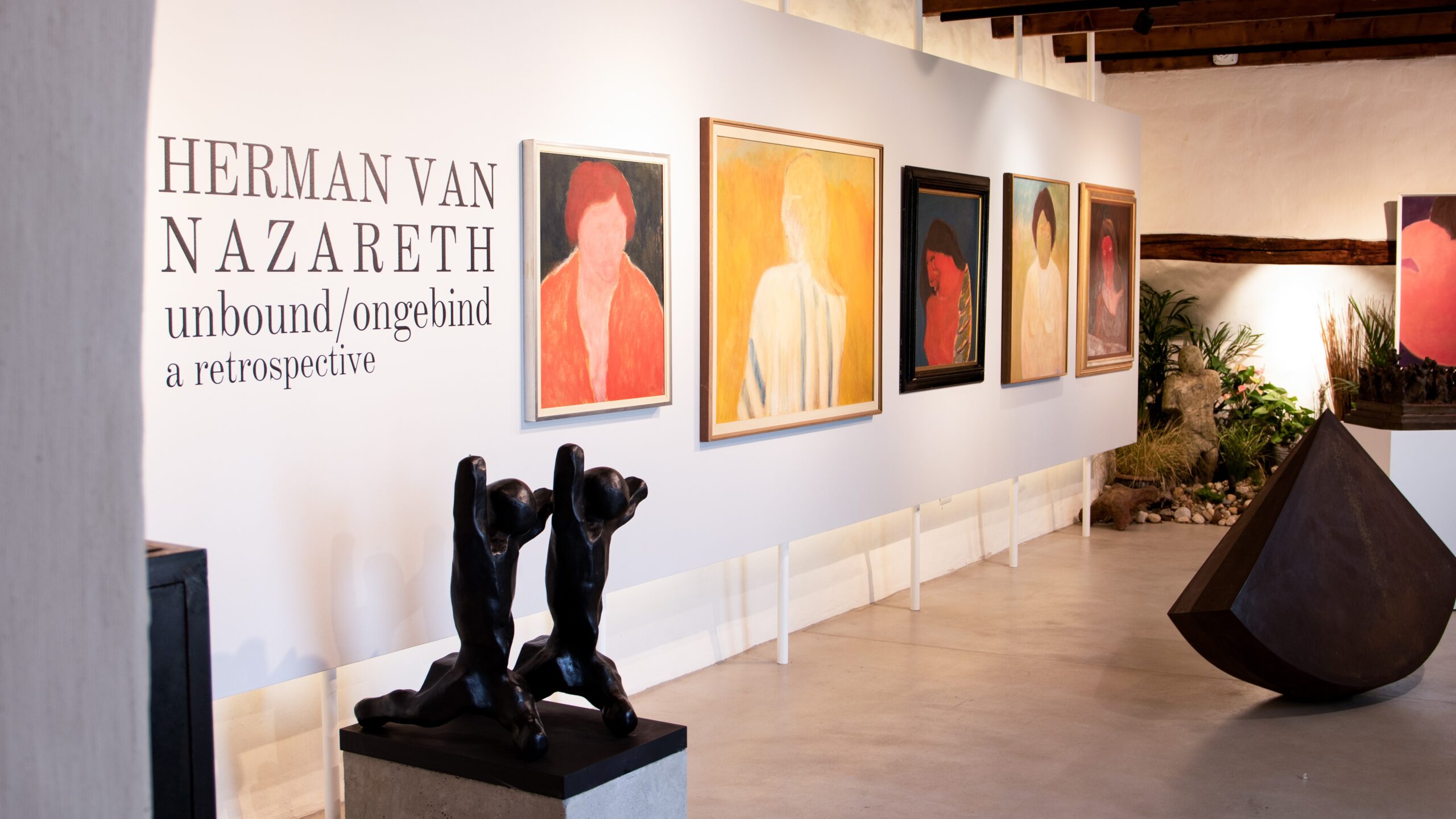
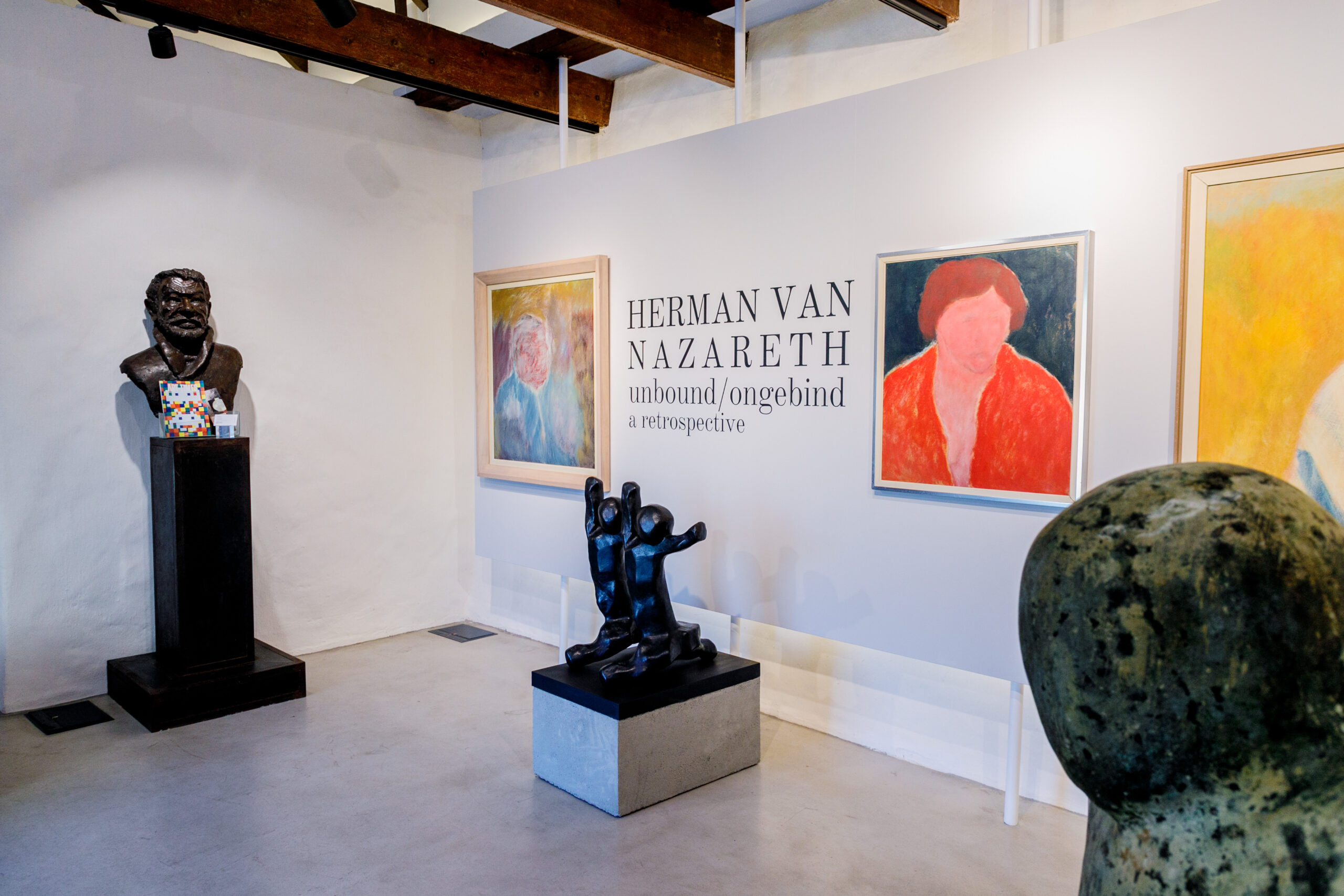
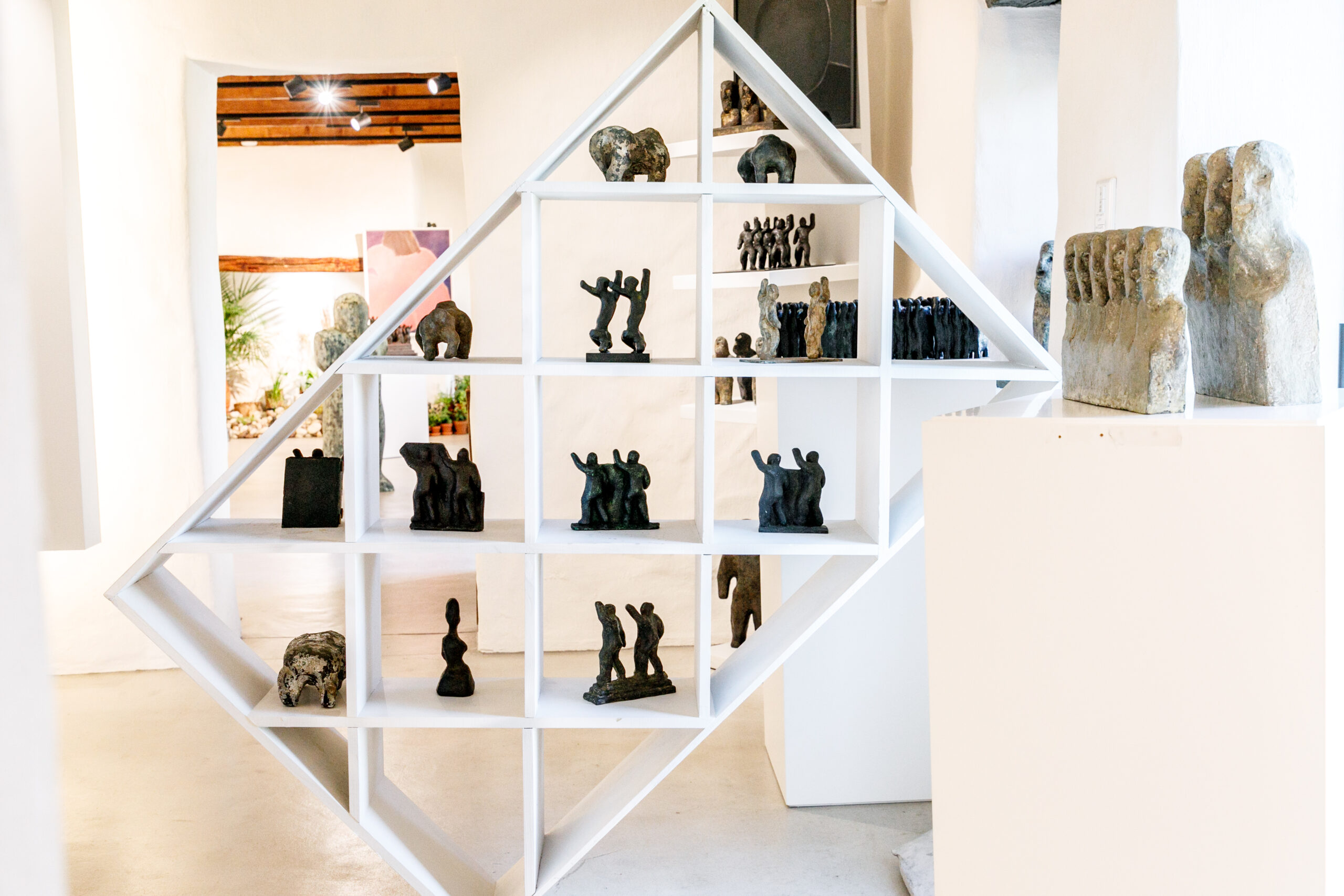
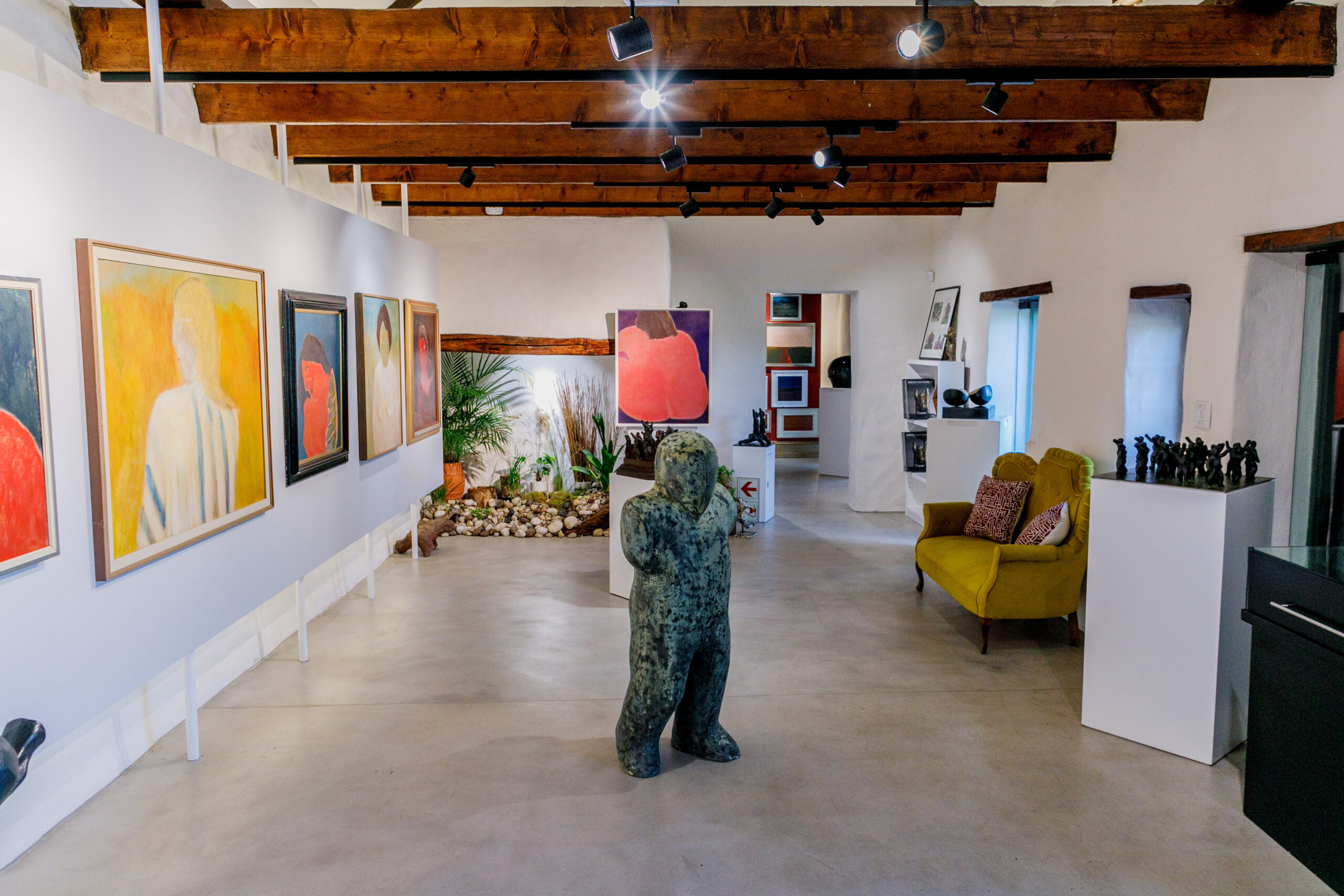
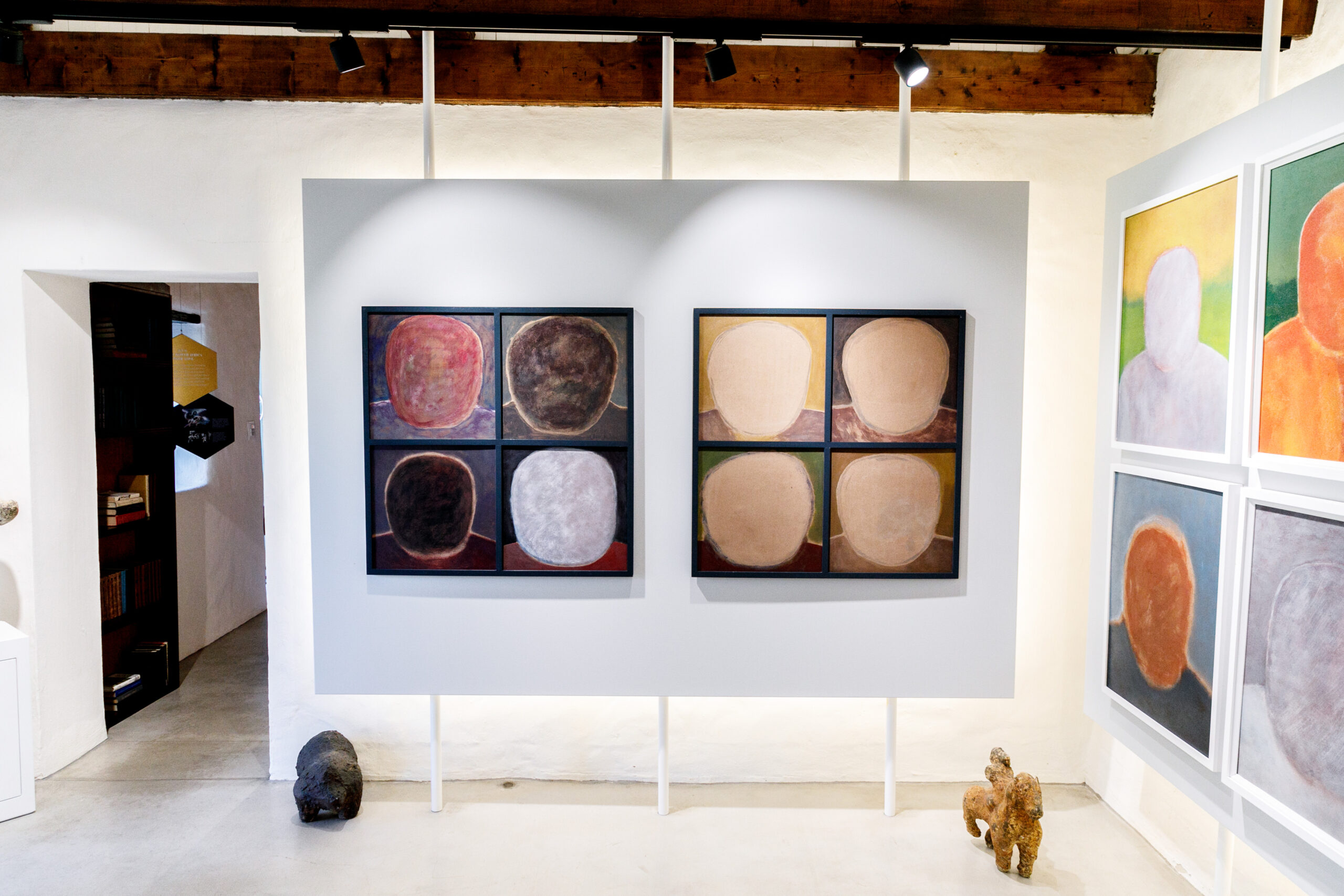
It would not be wrong to say that Herman of Nazareth was and is something of a riot in the local art world. Colourful, with a hard exterior – and then, of course, refined in thought and honed in talent – would be other descriptions.
As this Flemish artist, who has also cherished his Cape roots for so many years, celebrates his 80th birthday on 6 November, it may be his art rather than his strong personality that determines his place in our cultural milieu over the decades.
Herman van Aerde was born on 6 Nov 1936 in Evergem, East Flanders. (The metaphorical subtext of his “name change” is an interesting input.
Still as energetically expressed as ever, it is as if he has aged as physically, cerebrally, and creatively as little as his best works of art – many of which still appear dynamically contemporary. Even paintings of five and more decades past, images of that time, can dance alive and intriguingly in front of you.
The timelessness of Van Nazareth’s best art is anchored in his lifelong dealings with the essential, almost primitive nature of man as being, and his existential presence: his environment, his landscape and togetherness.
In addition, Van Nazareth cherishes a convinced romantic belief in the expressive potential of the medium and manner, and of form, whether painting or sculpture. He is an artist’s artist, even if they do not always look each other in the eye. Of his very first paintings, his interest is the manner and order of form in, for example, landscape and still life.
In an earlier era – perhaps his most famous and most active in South Africa – there were strong social and political traits in his paintings. Somewhere here begins a theme of portraits: heads and masks, sometimes satirical, sometimes individual, always anonymous and primordial. Power and presence characterise those trapped in it.
Two of these in the collection of the Iziko SA National Art Museum are among his best and most distinctive works: “Red General” (1965) and “Lady in Landscape” (1968), both on board paper. These are two paintings that illustrate dramatically different aspects of his “portraits”.
Needless to say, those unapproachable years in South Africa were formative of Van Nazareth’s thinking, actions and art. He worked incessantly, the drive of the artist. To this day, he says, some paintings are still incomplete.
Under the fascination of the Flemish Impressionists, Van Nazareth was already painting when he started studying art at the Royal Academy in Ghent in Belgium at the age of 24. In 1963 he found more appeal with Carlo de Roover of the Royal Academy in Antwerp. But it was a meeting with the well-known artist Floris Jespers in 1964 that set his art career on track.
In 1965 he received a scholarship to visit South Africa. At the Michaelis School of Art, he comes into contact with the dynamics of the local: the artists, the thinking, the politics. He finds himself intertwined in the Cape’s vital art community. Michaelis’ sculpture classes intrigued him. Here he discovers the strength of three-dimensionality, the power of spatial plasticity.
After the success of his first exhibitions here – the first in 1967 at the Wolpe Gallery – he built on the cultural ties with his homeland, showing his work here and there. And to this day, he remains, in a sense, a compatriot of both here and there.
In Belgium, Herman of Nazareth is highly regarded, and has been honoured time and time again. In South Africa, too, he has been recognized time and time again with overview exhibitions (as in 2005).
In all these cases, where his art is viewed with more than a passing eye, the themes and idioms are clear and continuous. Few artists would maintain such a timeless and precise identity. In 1965 his hands made two figures barely 15 cm high, in 2011 they were transformed into two giants of 6 metres. Today, “Exuberance” stands triumphantly in front of Artscape. Monumentally.