
The Still Life of Others
17 June
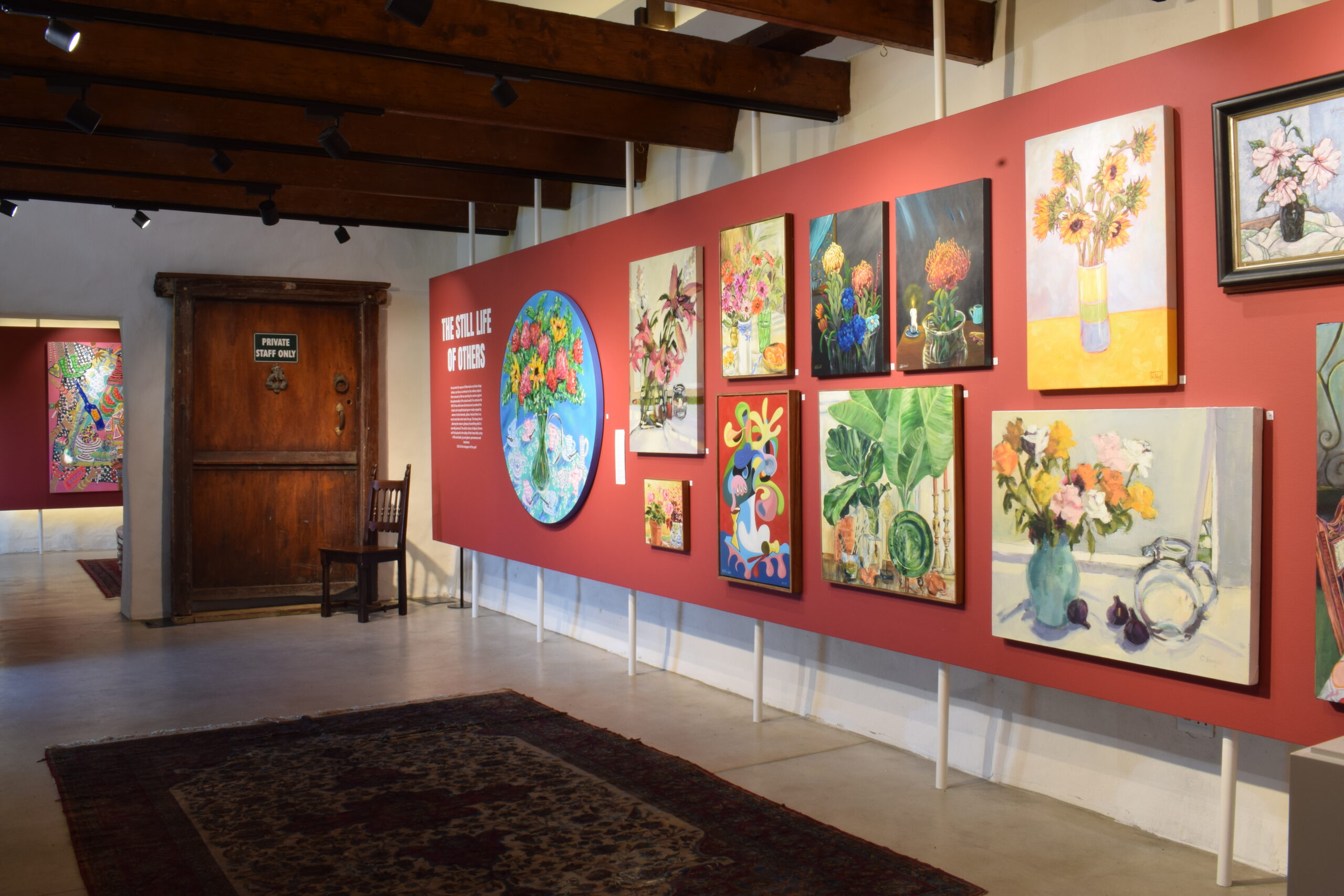
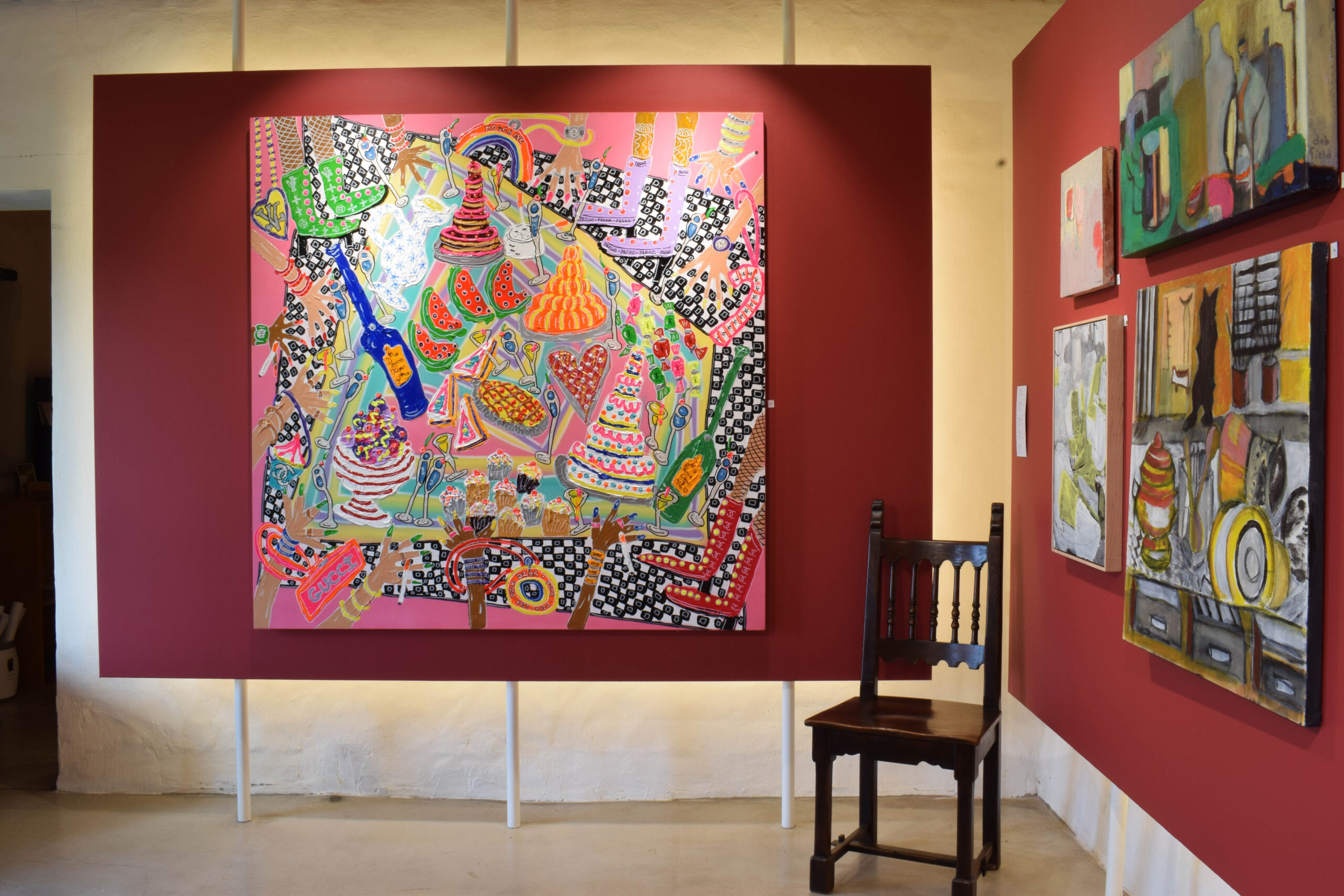
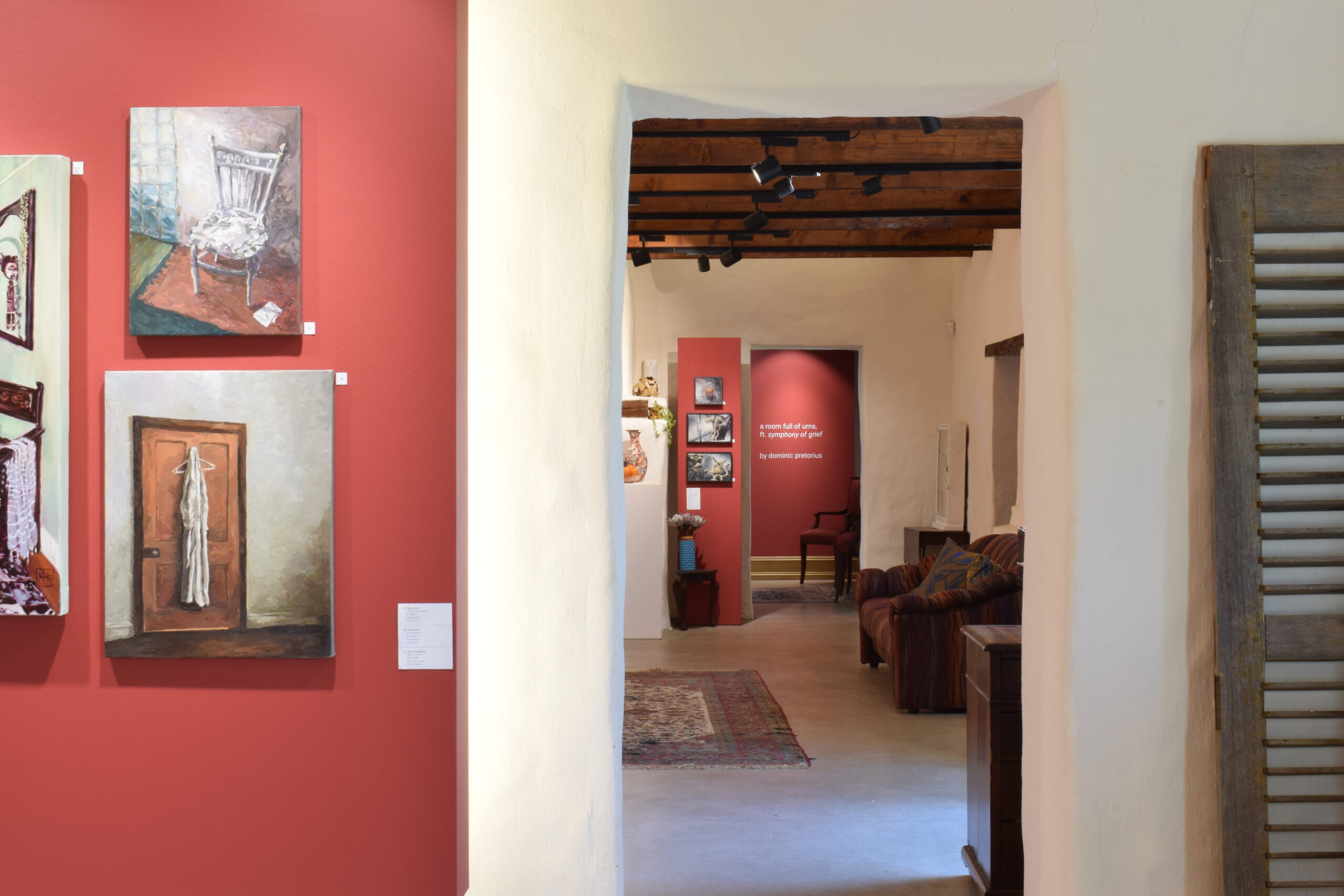
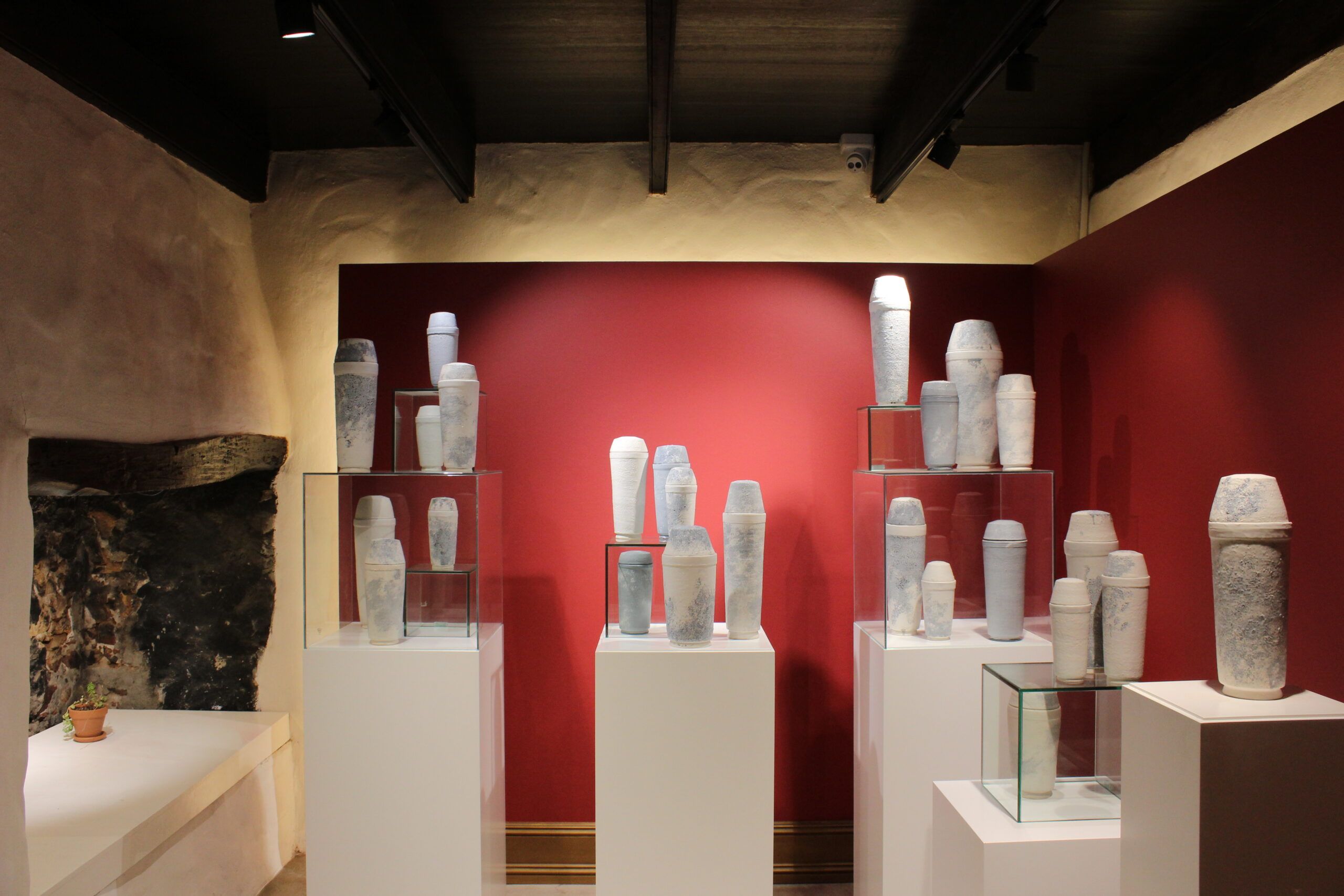
As we enter the season of hibernation and take refuge indoors, our focus is centred on the ordinary objects that surround us. We are searching for a sense of anchor against the ephemerality of the natural world. For centuries Still Life has often been dismissed and considered the simple and unsophisticated genre mostly enjoyed by women in their domestic sphere. And yet there is so much more than what meets the eye. The beauty lies in allowing the viewer a glimpse of something which is eternally personal. The artist’s choice of objects, flowers, and fruits placed in the safety of their home tells a story of life and death, joy and gloom, permanence, and transience. Still Life the Instagram of the Past?
Our obsession with photographing our daily meals, beautifully assembled plates of exquisite food, flower arrangements at your friend’s house or even creating an arrangement of interesting objects to post on social media and tell the world “I am here” without being seen. A fleeting moment captured by your camera. And as the moment passes the bowl of fruit will decay, the plate of food will be eaten and the flowers in the vase will wither, what will remain are the inanimate objects – the bowl, the flower, and the vase.
This group exhibition asks the artist to re-examine an ancient art genre as many artists have done before them. Some of the first known paintings adorn the walls of the ancient Egyptian tombs as part of their funerary gifts depicting crops, fish, and meat. Through the centuries the classic idea of the Still Life depicting inanimate subjects seemingly randomly arranged. And yet the viewer can subconsciously read the intentionality of the artist. The visual language of images is able to convey messages with ease. The “vanitas’ paintings which include musical instruments, books, wine, and precious and highly priced items of their time, remind the viewer of the pleasures of worldly goods but also the vanity associated with them. In the end, what is left are just these material possessions. Often a skull is placed into the arrangement to hint at your own ephemeral existence – a Memento Mori, a Latin phrase meaning “Remember that you will die.
The art practice of the Still Life has survived through the ages, Van Gogh, Cezanne, Picasso, Andy Warhol, Kusama, Hirst, and Sherman are all artists who have engaged or are still engaging with concepts of the Still Life – reimagined. As we move into the future and all that remains of us are our worldly possessions which ones do we want to be part of our “Still Life”